Japanese Indigo and Kurozome: What Makes Them Different

Key points
- Aizome is built up layer by layer from sukumo, fermented indigo leaves. Tokushima's "Awa-ai" indigo is the best known
- Kurozome was refined in Kyoto for formal black crested kimono. Kyo kuro montsuki-zome was designated a traditional craft of Japan in 1979
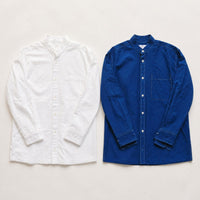
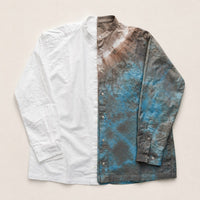
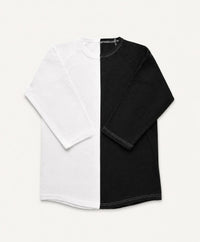
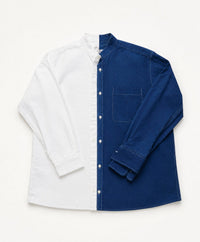
- Indigo changes gently as you wear it; black gives a deep, even finish. Faded black clothes suit black, and an unworn white shirt suits indigo
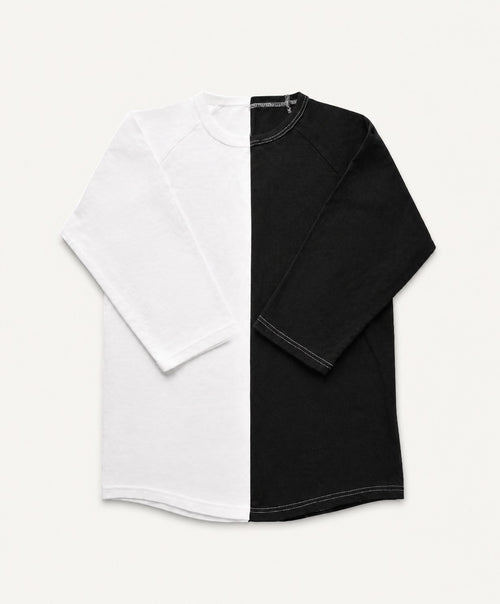
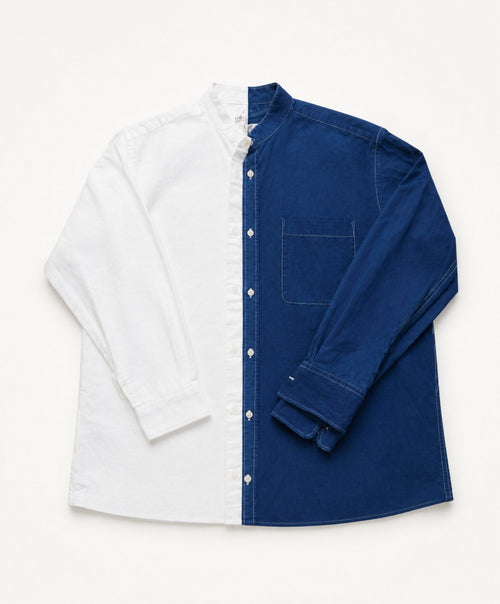
- At somete, a clothing re-dyeing upcycling platform, workshops across Japan re-dye everyday clothes in colors such as Shikkoku black and Aiiro indigo

Two Japanese dye crafts with very different roots
When people think of Japanese dyeing, two colors tend to come up first: a deep, living indigo blue, and an inky, almost bottomless black. One begins in a field of plants and a fermenting vat. The other grew out of formal kimono and the craft of making black look as deep as possible. Both are still practiced in Japan today, and both can be used to give everyday clothes a second life.
Aizome: indigo that is grown, fermented and built up
Where it comes from. Tokushima Prefecture on the island of Shikoku is one of Japan's main producers of natural indigo. The area was once Awa Province, and its indigo is still known as "Awa-ai." According to the Japan National Tourism Organization, indigo dyeing in Tokushima dates back nearly 800 years, and by the 16th century indigo production had become a valuable local industry.
From leaf to dye. Japanese indigo plants are planted in spring and harvested in summer. The leaves are then fermented for months to make sukumo, a composted indigo that is the heart of the craft; its quality decides how vivid the final blue will be. The whole cycle from planting to usable dye takes about a year.
The vat. To turn sukumo into a dye bath, artisans use a centuries-old fermentation method, adding natural wood ash, sake and wheat bran. This creates a strongly alkaline environment where microorganisms make the indigo soluble.
The magic moment. Fabric comes out of the vat looking green. As it meets the air, the dye oxidizes and turns blue. Each dip adds another layer, and repeating the dip-and-dry cycle around 30 times creates the very deepest shade, called kachiiro.
What it feels like to wear. Indigo is a color that lives with you. It softens and shifts gently with washing and wear, which is why so many people say an indigo piece looks better after years than on day one.

Kurozome: the craft of the deepest black
Where it comes from. Kyoto is the home of Kyo kuro montsuki-zome, a black-dyeing technique originally used for formal black kimono and haori bearing a family crest (montsuki). Japan's Association for the Promotion of Traditional Craft Industries notes that black dyeing in Japan dates back to the 10th century, that it was likely established as a method for crested black fabric in the early 17th century, and that the craft was designated a traditional craft of Japan on August 3, 1979.
A history of chasing "deeper." Black crested kimono became popular with samurai from the mid-Edo period, and in the Meiji era crested haori and hakama became formal attire. Makers studied British, French and German methods and moved from slow traditional processes to immersion dyeing, always aiming for a black that looks deeper than ordinary black.
How it's done. Traditional techniques include under-dyeing in red or indigo first so the black reads deeper, and immersion dyeing in a bath close to 95°C, with the fabric repeatedly lifted to avoid uneven color.
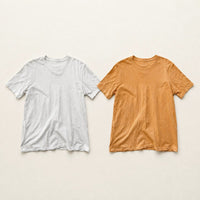
What it means for everyday clothes. The same knowledge of how to make black look deep and even is now used to re-dye faded T-shirts, hoodies, shirts and denim, turning a tired gray back into a confident black.

Indigo vs kurozome at a glance
| Aizome (Japanese indigo) | Kurozome (traditional black) | |
|---|---|---|
| Color | Blue, from pale to near-navy | Deep, clear black |
| Source | Fermented indigo leaves (sukumo) | Dye baths refined for formal kimono |
| Heartland | Tokushima (Awa) | Kyoto |
| Character | Changes gently with wear | Strong, even, formal |
| Best for | Cotton shirts, denim, linen | Faded black or dark clothes, anything you want to look new again |
Which one is right for your clothes?
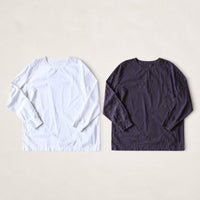
- If your black clothes have faded to gray, kurozome-style black is the natural choice
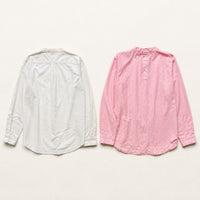
- If you have a white or light cotton shirt you never wear, indigo can turn it into a piece with real character
- If you like clothes that age with you, indigo is hard to beat
- If you want a crisp, formal finish, black is the answer
Either way, both crafts share the same idea: you don't need a new garment to get a new look.

Try it with somete
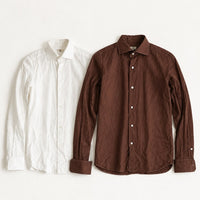
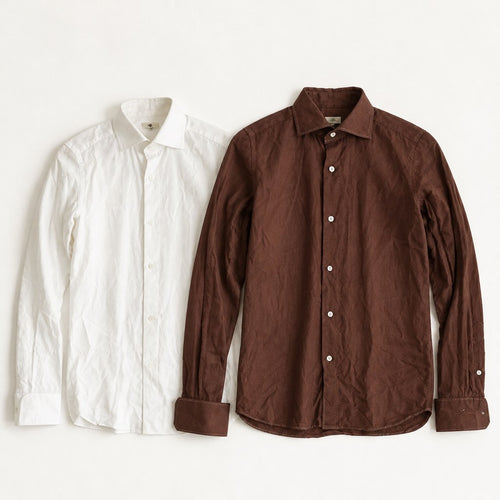
somete works with dye workshops across Japan. Our colors include Shikkoku (a deep black inspired by traditional montsuki dyeing) and Aiiro (indigo blue), along with Kohi-iro (coffee brown), Nibiiro (charcoal gray) and more. Send your clothes by post, and they come back in their new color, usually in about one and a half to two months. For orders from outside Japan, please contact us before ordering.
Re-dye in Shikkoku black / Re-dye in Aiiro indigo
Sources: Japan National Tourism Organization, "Exploring the Origins of Aizome — Traditional Indigo Dyeing"; Association for the Promotion of Traditional Craft Industries (kougeihin.jp), "KYO Kuro Montsuki Zome (Black Dyeing)"
お気に入りの服、染め直してみませんか?
色褪せ・黄ばみ・シミで着なくなった服も、職人の手でもう一度着たい一着に。
素材や色選びに迷ったら、お気軽にご相談ください。
Black November|November only
Free return shipping on orders placed by November 30
Shipping your re-dyed clothes back to you is free (normally ¥800).
メールでのご相談はお問い合わせフォームから
この記事に関連する染めプラン
 $105.00〜
 $120.00〜
 $105.00〜
 $83.00〜