How to Re-dye Faded Clothes Instead of Throwing Them Away

Key points
- In the EU, around 12 kg of clothing per person is thrown away every year, and a ban on destroying unsold clothes has started
- Many clothes are given up because of their color. Fading, sun damage and stubborn yellowing can often be fixed by re-dyeing in a deeper color
- Natural fibers such as cotton and linen take dye best. Polyester barely changes, and stitching may keep its original color
- somete, a clothing re-dyeing upcycling platform, works with about 40 dye workshops across Japan. Prices start from ¥5,500 per item, by mail

Clothes we stop wearing because of their color
You probably own at least one piece like this: a black T-shirt that has turned a tired charcoal, a favorite shirt with a yellowed collar, a jacket that faded unevenly in the sun. It still fits. You still like it. But it no longer looks the way you remember, so it sits at the back of the wardrobe until it quietly ends up in the bin.
Re-dyeing is a simple way out of that loop. Instead of replacing the piece, you give it a new color, or bring back the old one, and keep wearing it.
Why it matters more than it seems
According to the European Parliament, textile consumption in the EU rose from 17 kg per person in 2019 to 19 kg per person in 2022, and around 12 kg of clothing per person is thrown away every year. Less than half of used garments are collected for reuse or recycling, and only about 1% of used clothes are recycled into new clothes.
The EU is responding with new rules. From 2026, the destruction of unsold clothes, shoes and accessories is banned in the EU, and large companies have to report how many unsold items they discard.
Those rules are aimed at brands. But the simplest thing any of us can do happens at home: keep the clothes we already own in use for longer. Re-dyeing is one of the most direct ways to do that, because it solves the exact problem that sends many garments to the bin: color.
What re-dyeing can (and can't) fix
Re-dyeing works well for:
- Faded color: black or navy that has gone gray after many washes
- Sun fading: shoulders or one side lighter than the rest
- Stains and yellowing: small marks that won't come out can often be covered by a darker color
- Simply wanting something new: a white shirt you never wear can become indigo, coffee brown or soft charcoal
It is honest to know the limits too:
- Fiber matters. Natural fibers like cotton, linen and hemp take dye best. Polyester and other synthetics often barely change, and blends usually come out lighter than the target color
- Stitching may stay its original color. Many threads are polyester, so seams can stay white or light
- Results vary. Every garment has a different history of washing, sun and wear, so the final shade and any unevenness can't be promised in advance
- Wool can shrink or change texture in hot dye baths. We only accept wool if you are comfortable with that risk
Three ways to do it
1. At home with a store-bought dye. Cheap and quick for one cotton T-shirt. The trade-offs: uneven results are common, dark colors are hard to get truly deep, and dyeing in a kitchen sink or washing machine takes care.
2. Through a professional dye service. You send the garment to a workshop and get it back dyed. It costs more, but professionals control temperature and time, can dye heavier items like hoodies and denim, and know which fabrics will cooperate.
3. With a traditional craft workshop. In Japan, techniques such as kurozome (black dyeing) and aizome (indigo dyeing) have been refined for centuries. A craft workshop brings a depth of color that is hard to reach any other way.

How a mail-in re-dyeing service works (at somete)
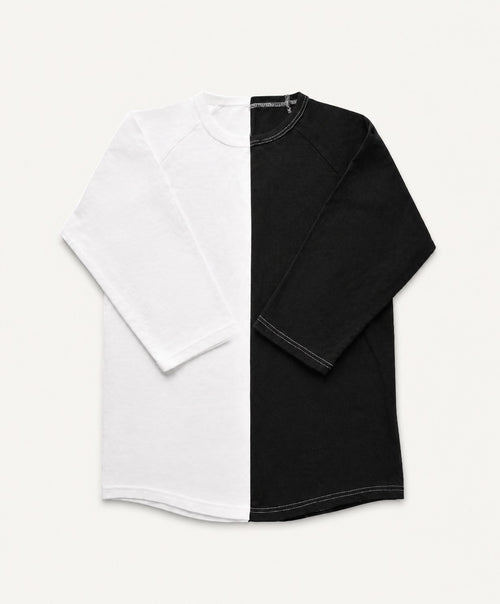
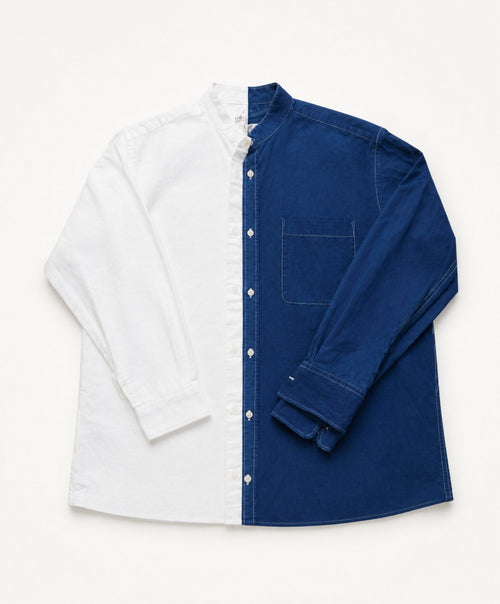
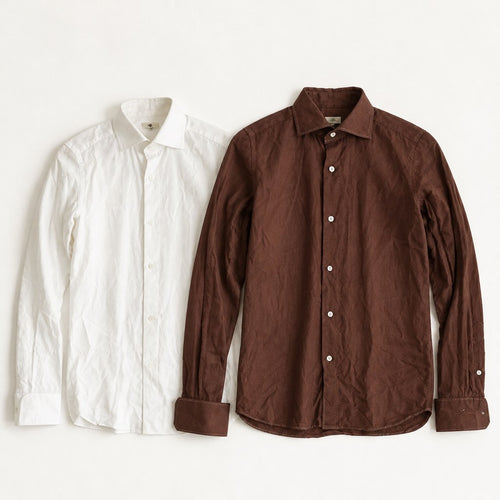
- Choose a color, for example Shikkoku (a deep, clear black), Aiiro (indigo blue), Kohi-iro (coffee brown) or Nibiiro (soft charcoal gray)
- Order online and send your clothes by post
- Workshops dye each piece. It usually takes about one and a half to two months from arrival
- Your clothes come back in their new color, ready to wear
Prices start from ¥5,500 per item. We are based in Japan; for orders from outside Japan, please contact us before ordering.

Before you send anything: a quick checklist
- Check the care label for fiber content (cotton, linen and hemp are best)
- Wash the item first so dirt doesn't block the dye
- Remove anything that shouldn't be dyed, such as detachable leather tags
- Accept a range of results: think of the new color as a fresh chapter, not a factory finish
A new color, a longer life
Most clothes are not thrown away because they are broken. They are thrown away because they stopped looking the way we wanted. Re-dyeing changes that. It keeps a favorite piece in your life, keeps one more garment out of the waste stream, and often makes it more interesting than it was new.
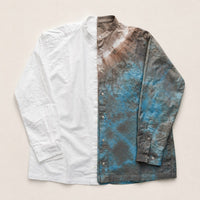
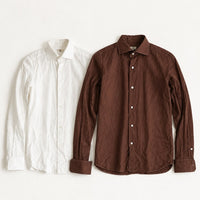
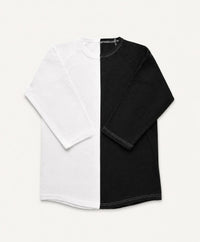
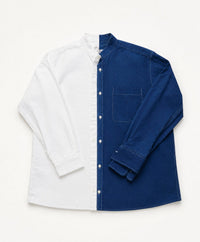
Re-dye in Shikkoku black / Re-dye in Aiiro indigo / Re-dye in Kohi-iro brown
Source: European Parliament, "The impact of textile production and waste on the environment"
お気に入りの服、染め直してみませんか?
色褪せ・黄ばみ・シミで着なくなった服も、職人の手でもう一度着たい一着に。
素材や色選びに迷ったら、お気軽にご相談ください。
Black November|November only
Free return shipping on orders placed by November 30
Shipping your re-dyed clothes back to you is free (normally ¥800).
メールでのご相談はお問い合わせフォームから
この記事に関連する染めプラン
 ¥6,980〜
 ¥7,980〜
 ¥6,980〜
 ¥5,500〜