Mottainai: Japan's Culture of Mending, from Boro and Sashiko to Kintsugi and Re-dyeing Clothes

Key points
- Mottainai is a Japanese word for the regret you feel when something still useful goes to waste. In 2005, Nobel Peace Prize laureate Wangari Maathai of Kenya came across the word and helped carry it around the world
- Japan has a long tradition of repairing things instead of replacing them: patched boro clothing from northern Japan, reinforcing sashiko stitching, and kintsugi, which mends broken ceramics with lacquer and gold
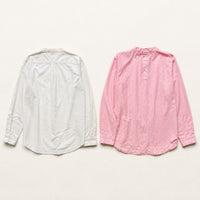
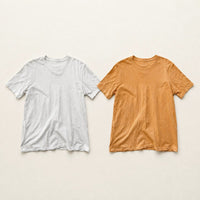
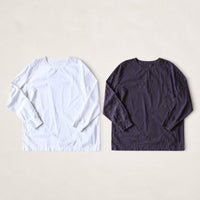
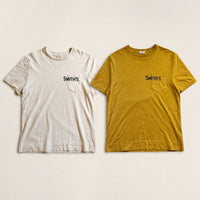
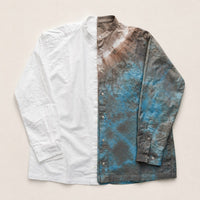
- Many clothes today are not worn out, just faded. Re-dyeing is a way to mend the color of a garment so you can wear it again
- somete, a clothing re-dyeing and upcycling platform based in Japan, works with around 40 dye workshops across the country. Prices start from ¥5,500 per item
Ask almost anyone who grew up in Japan and they will tell you about hearing "mottainai!" as a child: when they left rice in their bowl, or tried to throw away a shirt that still fit. It is one of those small words that carries a whole way of living.
In this article, we look at what mottainai means, how it shaped Japan's culture of mending, from boro and sashiko to kintsugi, and how re-dyeing fits into that tradition as a way to give faded clothes a second life.
Mottainai: a Japanese word that traveled the world
Mottainai (pronounced moht-tie-nai) is often translated as "What a waste!" But the feeling behind it is closer to regret mixed with respect: the sense that an object still has value, and that throwing it away without using it fully is a kind of disrespect. The word combines mottai, a Buddhist term for the proper dignity or importance of a thing, with nai, a negation.
The person who introduced the word to a global audience was Wangari Maathai, the Kenyan environmental activist who founded the Green Belt Movement and received the Nobel Peace Prize in 2004. During a visit to Japan in February 2005, she learned the word in an interview with the Mainichi Newspapers and was struck by how much it expressed in a single word.
The following month, the Mainichi Newspapers launched the MOTTAINAI Campaign, and later that year Maathai spoke about it at the United Nations in New York. The campaign describes mottainai as the familiar three Rs (Reduce, Reuse, Recycle) plus a fourth: Respect for the Earth's limited resources.
Japan's culture of mending clothes
Long before "sustainable fashion" became a phrase, mottainai shaped how people in Japan cared for their clothes. Here are three traditions that are now known well beyond Japan.
Boro: patched clothing worn for generations
Boro (from ranru or boro, meaning "rags") refers to garments that rural families in the Tohoku region of northern Japan patched and pieced together over many years, mainly in the 19th and 20th centuries. In cold places like Aomori, cotton was hard to grow, so most fabric was made from hemp. Precious cotton, brought north by the kitamaebune merchant ships from the Kansai region, was woven in or stitched on as patches whenever a garment wore through.
A large collection of boro gathered by the folklorist Chuzaburo Tanaka includes items designated as Important Tangible Folk Cultural Properties of Japan, and from 2019 it toured museums overseas. Today the word "boro" is used as-is in fashion and art circles around the world.
Sashiko: stitching for strength and warmth
Sashiko is a technique of dense running stitches sewn through layers of fabric. According to Aomori Prefecture, in northern Japan, where cotton spread late and winters are harsh, people stitched layers of hemp cloth closely together with cotton thread to make clothing warmer and more durable. Two regional styles, kogin-zashi from the Tsugaru area and hishi-zashi from the Nanbu area, were selected by the national government in 2026 as intangible folk cultural properties to be documented and recorded.
Kintsugi: making the repair part of the beauty
Kintsugi ("golden joinery") is for ceramics rather than clothing, but it is the best-known expression of Japan's repair culture. Broken pieces are rejoined with urushi, a natural lacquer made from tree sap, and the seams are finished with gold powder. The technique is believed to have begun in the Muromachi period (1336–1573). Rather than hiding the damage, kintsugi turns the repair into part of the object's story, and many studios in Japan now offer short kintsugi workshops for visitors.

Re-dyeing: mending the color of your clothes
Boro and sashiko repaired tears and worn patches. Today, though, many of the clothes we stop wearing are not damaged at all. They have simply changed color:
- Black jeans or T-shirts that have washed out to a dull gray
- Sun fading on the shoulders or on one side of a jacket
- Yellowing around collars and underarms, or stains that won't come out
- A shape you still love, in a color that no longer feels like you
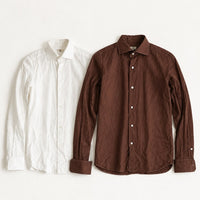
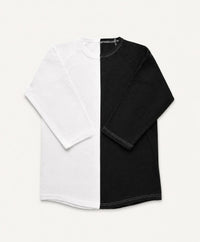
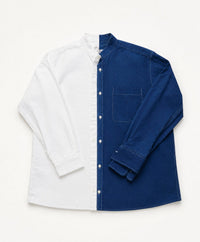
If color is the only reason a garment is sitting at the back of your closet, re-dyeing it a deeper shade can bring it back into rotation. You could think of it as a color mend: the fabric, the fit and the memories stay the same, and only the color is renewed.

Faded, almost white jeans, for example, can look like a new pair once they are re-dyed black. And just like a patched boro jacket, a re-dyed garment keeps the traces of the time you have already spent wearing it.
What re-dyeing can and can't do
Re-dyeing is not magic, so here is what to expect before you decide.
- Fibers that dye well: natural and regenerated fibers such as cotton, linen, hemp and rayon take color easily
- Fibers that don't: polyester and other synthetics barely absorb dye. With blends, the result depends on the mix
- Stitching: polyester sewing thread often stays its original color. Many people find the contrast stitching adds character
- Darker, not lighter: re-dyeing works by moving to a deeper color. A pale shirt can become black or indigo, but a black shirt cannot become white
- Every piece is unique: the fabric, the original color and any stains all affect the final shade. Slight unevenness is part of the charm of hand-dyed clothing

Re-dyeing with somete
somete is a clothing re-dyeing and upcycling platform based in Japan. We work with around 40 dye workshops across the country, and customers send their clothes to us by post. Prices start from ¥5,500 per item, and it usually takes about one and a half to two months from arrival.
You can choose from colors inspired by traditional Japanese dyeing, including:
- Shikkoku (lacquer black): a deep, clear black drawing on the techniques of kurozome, the black dyeing used for formal kimono
- Aiiro (indigo blue): the blue of Japanese indigo
- Kohi-iro (coffee brown): a warm, soft brown
- Nibiiro: a gentle charcoal gray
To learn more about the two traditions behind our darkest colors, read Japanese Indigo and Kurozome: What Makes Them Different. For the bigger picture on textile waste, see How to Re-dye Faded Clothes Instead of Throwing Them Away.
Visiting Japan for a few weeks? We are preparing plans for travelers who would like to re-dye a piece during their stay (coming soon). Our service is currently based in Japan, so if you live outside Japan, please contact us before ordering. You can also read A Souvenir That Lasts: Re-dye Your Favorite Piece in Japan.
Is there something in your closet that makes you think "mottainai"? Japan's habit of mending rather than replacing can start with a single garment, and a new color might be all it needs.
Sources
- Government of Japan, Highlighting Japan: "MOTTAINAI" (July 2018)
- The Green Belt Movement: "Mottainai"
- Aomori Prefecture: Sashiko techniques of Tsugaru and Nanbu (Japanese)
- Time Out Tokyo: The BORO world tour (2019, Japanese)
- Trends in Japan (Web Japan): "Kintsugi — Creating New Value From Broken Items"
Written by the somete JOURNAL editorial team
お気に入りの服、染め直してみませんか?
色褪せ・黄ばみ・シミで着なくなった服も、職人の手でもう一度着たい一着に。
素材や色選びに迷ったら、お気軽にご相談ください。
Black November|November only
Free return shipping on orders placed by November 30
Shipping your re-dyed clothes back to you is free (normally ¥800).
メールでのご相談はお問い合わせフォームから
この記事に関連する染めプラン
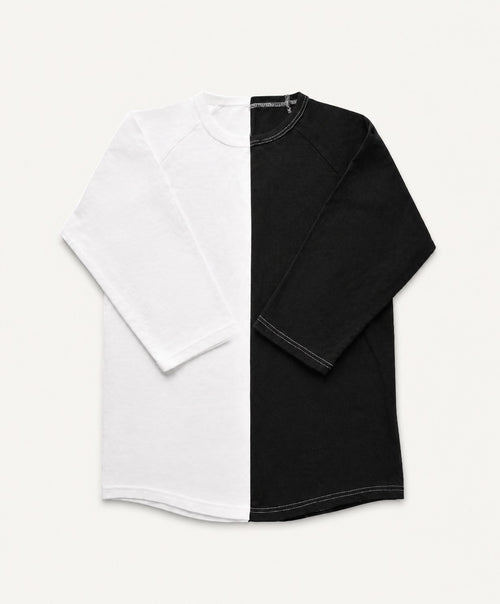 ¥6,980〜
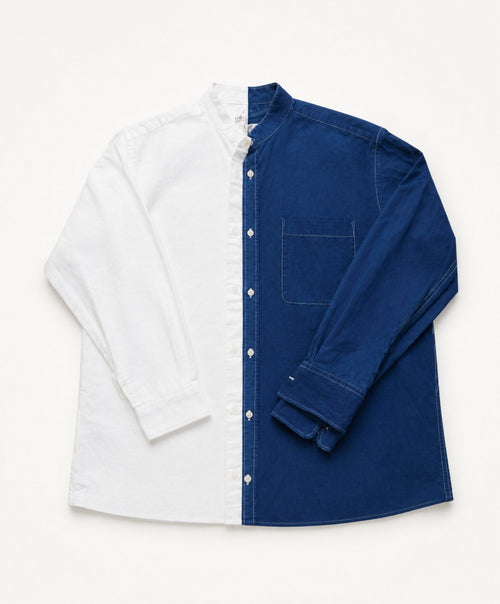 ¥7,980〜
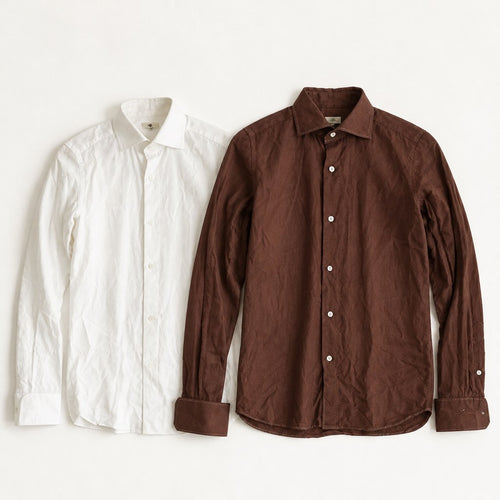 ¥6,980〜
 ¥5,500〜